- 3/25/2026
-

Driving modes
Driving Modes are settings found in many cars that allow the driver to select the appropriate mode based on driving conditions, ensuring the car adapts to the driver’s needs. These modes are directly linked to the car’s systems.
These modes are linked to the steering, engine, transmission, suspension, and several other systems. When the driver selects a mode, the response of these systems changes accordingly to make the driving experience more suitable.
The names of these driving modes vary by manufacturer; in fact, some sports cars come equipped with modes specifically designed for tracks, drifting, and racing, while certain SUVs offer modes tailored for driving on various terrains, no matter how rugged.
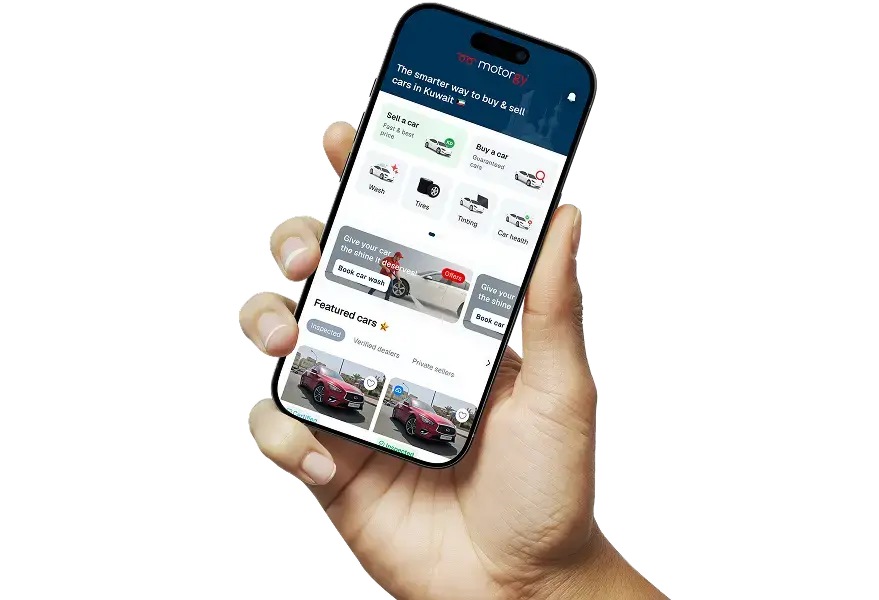
The Motorgy team is committed to providing used cars for sale in Kuwait that suit your preferences and needs, so you can choose your future car as quickly as possible at the best price with secure and instant payment methods. They offer cars of various types, categories, and models so you won’t be confused anymore.
Read also: What is Eco driving mode?
What are the most common driving modes in a car?
The most common driving modes found in cars are as follows:
Normal driving mode
This mode is the standard driving mode designed for daily driving. It provides a balanced combination of sporty performance and fuel efficiency, though the suspension is standard and not particularly comfortable. In many cars, this is the default mode and is deactivated when another mode is selected.
Comfort Driving Mode
This mode is one of the most common and widely used among drivers. It provides a comfortable, smooth, and quiet ride while reducing fuel consumption and making the suspension softer, along with smoother gear shifts and a slower engine response—essentially balancing performance with fuel efficiency.
Eco Driving Mode
This mode prioritizes fuel economy above all else. It reduces throttle response, gear shifts, and other factors to ensure the engine consumes as little fuel as possible throughout the trip. It also limits the operation of certain energy-consuming systems, such as the air conditioning and seat heating.
Read also: Types of Engine placement in cars
Sport Mode
This mode adjusts the car’s settings to prioritize performance above all else. The suspension becomes stiffer, the throttle, brakes, and transmission respond more quickly, and the steering becomes more precise. The engine delivers its peak performance, while the stability and traction control systems are recalibrated.
Off-Road Driving Mode
Some cars may feature an off-road driving mode that enables the driver to navigate unpaved roads while ensuring tire traction and optimizing four-wheel drive. The functionality of this mode varies by vehicle; the more a car is designed for off-road use, the more complex its operation becomes.
Electric Drive Mode
This mode is found in hybrid vehicles. When selected, it shuts off the combustion engine and activates electric drive mode, which relies solely on the electric motor(s) and the hybrid system’s battery. It is useful in traffic jams and for short trips, and the maximum speed is also limited.
Read also: Cars types by their powertrain
Weather Conditions Mode
This mode is designed to handle various weather conditions, such as wet roads, snow, or even ice. When activated, traction and stability control systems are set to maximum readiness to keep the vehicle firmly planted on the road, while ensuring safe driving by reducing throttle response to limit power delivery and prevent the vehicle from sliding off the road.
Custom Driving Mode
This mode allows the driver to customize the settings for each system individually and save them separately. Some drivers prefer a smooth suspension response but a quick throttle response, and so on. Therefore, it is a favorite mode for many drivers who prefer specific driving styles and specific system responses.